
Japanese design aesthetics often prioritize simplicity and functionality, and this extends to beauty tools like curling iron holders. This deep dive explores the captivating “Japanese curling iron holder aesthetic,” examining its core design principles, cultural influences, and material choices. From minimalist forms to meticulously crafted details, we uncover the secrets behind this unique style.
The aesthetic draws inspiration from traditional Japanese design principles, including a deep appreciation for natural elements, resulting in harmonious designs that complement both the tool’s function and the user’s experience. The careful selection of materials, from polished wood to sleek metal, further enhances the overall aesthetic, creating a sense of calm and sophistication.
Defining the Aesthetic
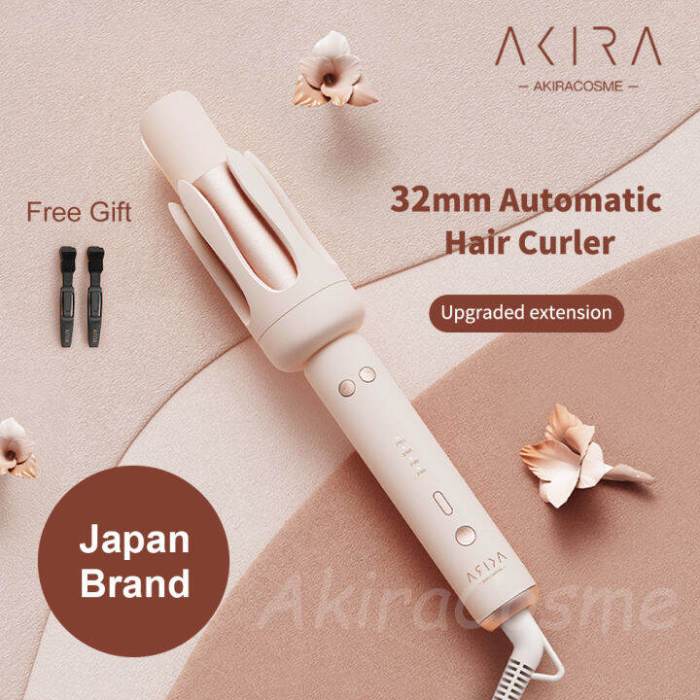
The “Japanese curling iron holder aesthetic” embodies a refined blend of functionality and artistry, drawing inspiration from traditional Japanese design principles. This aesthetic transcends mere practicality, infusing everyday grooming tools with a sense of understated elegance and meticulous craftsmanship. The design often prioritizes a harmonious integration of form and function, creating objects that are both beautiful and efficient.This aesthetic seeks to capture the essence of Japanese design philosophy, which prioritizes minimalism, natural materials, and a deep connection to the surrounding environment.
This aesthetic is not merely about aesthetics; it’s about a holistic experience that resonates with the user’s values and surroundings.
Visual and Design Elements
This aesthetic is characterized by clean lines, minimalist forms, and a focus on meticulous detail. The overall shape often suggests fluidity and grace, evoking a sense of movement and dynamism. Materials are frequently chosen for their natural beauty and tactile qualities, reflecting a respect for the raw material.
Color Palettes
Common color palettes often associated with this aesthetic lean towards natural tones, including muted browns, grays, and beiges. Shades of deep charcoal and subtle greens also frequently appear. These palettes create a calming and sophisticated ambiance, reflecting the serenity often associated with Japanese design. Variations might incorporate subtle accents of rich cherry blossom pink or indigo, adding a touch of dynamism to the overall palette.
Materials
Materials frequently used in Japanese curling iron holders with this aesthetic are natural and sustainable. Wood, bamboo, and ceramic are prominent choices, each with its own unique tactile qualities and aesthetic appeal. The use of high-quality, polished metal accents, like brushed nickel or brass, is also common, adding a touch of sophistication and highlighting the craftsmanship. The selection of materials is not arbitrary; it’s driven by a conscious desire to connect with nature and emphasize sustainability.
Mood and Feeling
The mood evoked by this aesthetic is one of tranquility, sophistication, and understated elegance. It aims to create a space for reflection and calm, a departure from the often frenetic pace of modern life. The emphasis on natural materials and subtle color palettes contributes to this sense of serenity, promoting a feeling of connection to the natural world.
The aesthetic seeks to harmonize the tool with the user’s surroundings, promoting a sense of harmony and peace.
Shapes and Forms
Common shapes and forms in Japanese curling iron holders with this aesthetic often draw inspiration from natural curves and lines. Shapes might be organic, evoking a sense of fluidity and grace. Geometric shapes, particularly circles and squares, are sometimes incorporated for a sense of balance and structure. The overall design frequently aims for a sense of balance and harmony, reflecting the principles of Japanese aesthetics.
The forms are not simply decorative but are integral to the function and the overall experience.
Cultural Influences
The minimalist, subtly elegant aesthetic of Japanese curling iron holders reflects a deep-seated cultural appreciation for understated beauty and functionality. This approach contrasts sharply with the often more flamboyant designs prevalent in other cultures, highlighting a unique perspective on personal grooming tools.This emphasis on restraint and refinement is deeply rooted in traditional Japanese design principles, extending far beyond the realm of curling iron holders.
These principles, which prioritize harmony with nature, balance, and a sense of understated sophistication, have permeated various aspects of Japanese culture, including art, architecture, and everyday objects.
Traditional Design Principles
Japanese design often prioritizes minimalism, striving for a sense of purity and spaciousness in form. This is achieved by reducing unnecessary embellishments and focusing on clean lines and simple shapes. Symmetry is another key element, embodying the concept of balance and harmony. Natural elements, such as wood grain, bamboo patterns, and the subtle hues of natural materials, are frequently incorporated, fostering a connection with the surrounding environment.
These principles, when applied to curling iron holders, result in designs that are both functional and aesthetically pleasing, without being ostentatious.
Japanese Aesthetics vs. Other Styles
Japanese curling iron holders differ from Western styles in their approach to design. Western designs often feature more elaborate ornamentation, bold colors, and a more overtly decorative aesthetic. Japanese designs, in contrast, lean towards understated elegance, emphasizing simplicity and subtle sophistication. The focus is on achieving a harmonious balance between form and function, rather than highlighting extravagant features.
This distinction underscores the differing cultural values associated with personal grooming tools in these two distinct traditions.
Historical Context
The historical context of Japanese design significantly influences the aesthetic of curling iron holders. Traditional Japanese aesthetics, particularly the concept of “wabi-sabi,” which embraces the beauty of imperfection and impermanence, has profoundly impacted design philosophy. The focus on natural materials, such as bamboo and wood, stems from a deep-rooted respect for nature, evident in Japanese art and architecture for centuries.
The pursuit of understated elegance and functionality has been a recurring theme throughout Japanese design history.
Incorporated Design Elements
Several Japanese design elements are often incorporated into curling iron holders. These include:
- Natural Materials: The use of bamboo, wood, or other natural materials in the holder’s construction is common, reflecting a connection to nature and the environment.
- Minimalist Shapes: Clean lines, simple shapes, and a lack of unnecessary ornamentation contribute to the overall aesthetic, focusing on functionality and elegance.
- Subtle Color Palettes: Muted tones and earthy colors are often favored, evoking a sense of calm and tranquility. Examples might include soft browns, grays, or greens.
- Hand-crafted Details: Many Japanese curling iron holders showcase the craftsmanship and attention to detail, with subtle carvings or engravings that enhance the beauty and functionality of the item.
Comparison Table
| Feature | Japanese Curling Iron Holder Aesthetic | Western Curling Iron Holder Aesthetic |
|---|---|---|
| Ornamentation | Minimalist, emphasizing clean lines and simple shapes | Often elaborate, with significant decorative elements |
| Color Palette | Muted, earthy tones | May feature bold colors and vibrant patterns |
| Materials | Natural materials like bamboo and wood | May use various materials, including metals and plastics |
| Design Principles | Focus on balance, harmony, and minimalism | May prioritize extravagance and innovation |
| Overall Impression | Subtle, elegant, and functional | Often more flamboyant and decorative |
Design Elements
Japanese curling iron holders, imbued with a distinct aesthetic, showcase a meticulous interplay of design elements. These elements, carefully considered, contribute to the overall impression of elegance, functionality, and cultural significance. From the choice of materials to the subtle ornamentation, each aspect plays a crucial role in shaping the final product. The aesthetic is deeply rooted in traditional Japanese craftsmanship and design principles.The harmonious integration of various design elements creates a holistic experience, transcending mere functionality and embodying a rich cultural heritage.
This integration is not arbitrary; each component contributes to a cohesive narrative that resonates with the intended user.
Color Palette
The color palette in these curling iron holders frequently draws inspiration from nature, with earthy tones and muted pastels often prevailing. Deep browns, rich reds, and calming greens are commonly employed, reflecting a connection to the surrounding environment. The subtle gradations and variations within these colors further enhance the aesthetic appeal. For example, a gradient from a deep indigo to a light periwinkle blue could evoke a sense of serenity and tranquility.
Materials and Textures
Materials such as lacquered wood, polished metal, and intricately woven textiles are commonly used in these holders. The selection of materials often reflects the inherent properties of the chosen material, such as the smooth, polished surface of metal or the warm, natural texture of wood. These materials are often chosen for their durability and ability to withstand repeated use.
Lacquer, for instance, adds a protective layer while enhancing the aesthetic appeal through its vibrant color and glossy finish. The combination of materials and textures further emphasizes the craftsmanship inherent in the design.
Shape and Proportion
The shape of Japanese curling iron holders typically displays a balance between functionality and aesthetic appeal. Often, the form is characterized by clean lines and simple curves, which contribute to a sense of elegance and sophistication. The proportions are generally harmonious, ensuring a comfortable grip and a visually appealing form factor. For example, a slightly tapered design might complement the hand’s natural contour, enhancing the user experience.
The precise dimensions are carefully considered to maximize functionality without sacrificing aesthetic harmony.
Ornamentation
Ornamentation in these curling iron holders, when present, is typically understated and subtle. It may involve intricate carvings, delicate inlays, or subtle patterns. The use of ornamentation serves to further highlight the artistry and craftsmanship inherent in the piece, without detracting from the overall simplicity of the design. For instance, a delicate floral motif carved into the wooden base would be in keeping with this aesthetic, drawing attention to the meticulous detail of the craft.
Craftsmanship
Craftsmanship plays a pivotal role in these curling iron holders. The meticulous attention to detail, the skillful execution of techniques, and the use of traditional methods contribute to the lasting appeal of the piece. A high degree of skill is often evident in the precision of the carving, the flawless application of lacquer, or the intricate weaving of textiles.
The hand-crafted nature of the items reflects a deep respect for tradition and a commitment to quality.
Size and Proportions
The size and proportions of Japanese curling iron holders are typically compact and ergonomically designed. The overall dimensions are generally proportionate to the size of the curling iron, ensuring that the holder is functional and easy to use. The shape is often tailored to fit comfortably in the hand, emphasizing the practicality and utility of the item. For instance, a holder might be designed with a slight taper to accommodate the curvature of the hand, promoting comfort and usability.
Textures and Patterns
The use of textures and patterns in Japanese curling iron holders is often subtle and harmonious. These elements may involve the natural grain of the wood, the polished sheen of metal, or the intricate weave of textiles. The selection of textures and patterns is carefully considered to complement the overall aesthetic. For example, a wood grain pattern might be highlighted by a subtle application of lacquer, showcasing the natural beauty of the material.
Patterns may also evoke imagery of nature or traditional Japanese motifs.
Material Selection
Japanese curling iron holders, reflecting a meticulous aesthetic, often prioritize materials that embody both practicality and a sense of refined craftsmanship. The selection of materials directly impacts the tool’s functionality, durability, and overall aesthetic appeal, resonating with the cultural emphasis on quality and visual harmony. Beyond basic functionality, the material choice embodies a philosophy of sustainability and respect for the environment, a key aspect of the Japanese aesthetic.The rationale behind the material selection in Japanese curling iron holders is multifaceted.
Considerations include heat resistance, durability, ease of maintenance, and, crucially, the ability to create a visually appealing and harmonious design. Materials chosen should not only withstand the rigors of daily use but also contribute to the overall aesthetic experience, reflecting the values of minimalism and refinement.
Heat Resistance
Curling irons generate significant heat, demanding materials capable of withstanding high temperatures without warping, melting, or degrading. This requirement often leads to the selection of heat-resistant polymers or metals, ensuring the holder remains safe and stable during operation. The specific choice of material directly correlates with the temperature rating of the curling iron.
Durability
Durability is paramount for a curling iron holder, considering the potential for daily use and the inherent wear and tear. High-quality materials exhibit resistance to scratches, dents, and other forms of damage. The holder must retain its form and functionality over time, and the choice of material directly impacts this.
Common Materials and Characteristics
- Ceramic: Ceramic holders often boast excellent heat distribution, minimizing hot spots and ensuring even heat transfer. Their smooth surface can be easily cleaned, but they can be more brittle than some metals. The smooth, glossy finish contributes to a modern aesthetic.
- Stainless Steel: Stainless steel offers exceptional durability and resistance to corrosion, making it a popular choice. Its inherent strength makes it suitable for high-use environments. The polished, neutral tone of stainless steel can complement various design styles.
- Silicone: Silicone holders provide excellent heat insulation, protecting the user from burns. They are flexible and can adapt to various shapes, allowing for a comfortable grip. The softer texture offers a tactile contrast to the smooth surface of other materials.
- Wood: Natural wood, often used in combination with other materials, adds a warm, tactile element to the design. Its inherent beauty and texture offer a unique aesthetic appeal, often emphasizing a traditional or minimalist design. However, wood requires careful maintenance and is less resistant to heat and damage compared to other materials.
Durability Comparison
A direct comparison of the durability of different materials is challenging without specific testing conditions. However, stainless steel typically outperforms ceramic and wood in terms of overall resistance to wear and tear. Silicone, while highly heat-resistant, might be less durable against impacts. The specific type of wood and its treatment also affect its durability.
Environmental Impact
The environmental impact of material selection is becoming increasingly important. Sustainable materials, like recycled metals or bio-based polymers, are increasingly favored in modern designs. The production and disposal of materials also need to be considered. For example, the sourcing of materials from ethically and environmentally responsible suppliers is a growing trend. Sustainable sourcing of materials can mitigate the environmental footprint of the curling iron holder.
Aesthetic Contribution
Material selection plays a significant role in establishing the overall aesthetic. The texture, color, and sheen of a material can evoke different moods and impressions. For example, the sleek finish of stainless steel conveys a sense of modernity, while the warm tone of wood evokes a more traditional ambiance. The material choice also complements the design’s other elements, creating a harmonious and cohesive overall look.
Practical Considerations
Japanese curling iron holders, imbued with a distinctive aesthetic, prioritize both beauty and functionality. This fusion of form and function requires careful consideration of ergonomics, safety, and storage, all while maintaining the core principles of the aesthetic. A key aspect is how these holders differ from standard curling iron holders, emphasizing practicality within the stylistic framework.
Functionality
Japanese curling iron holders, rooted in a meticulous approach to daily life, are designed to enhance the user experience beyond simply holding the tool. This often involves integrating features like precise temperature control, or thoughtfully designed heat dissipation mechanisms, to prevent damage to the hair and maintain the curling iron’s longevity. The functionality extends to ease of use, with thoughtful placement of the handle for intuitive operation.
Ergonomics
The ergonomics of these holders are paramount. A well-designed holder should consider the natural hand position and motion during use. This includes a comfortable grip, minimizing strain during prolonged use, and a balanced weight distribution. The holder should be proportionate to the curling iron’s size and weight, avoiding an overly bulky or cumbersome design that could impede maneuverability.
Practical Features
Several practical features are frequently incorporated. These might include a non-slip base to prevent accidental movement during use, a heat-resistant material for safe handling, and a secure mechanism for attaching the curling iron to the holder. Integrated storage for accessories like clips or brush are also common.
Differentiation from Other Holders
Compared to standard curling iron holders, the Japanese aesthetic often prioritizes a minimalist design, emphasizing smooth lines and a refined finish. The materials chosen, such as bamboo or high-quality ceramic, might differ, and the focus shifts towards elegant simplicity and tactile quality rather than overt functionality. Heat dissipation systems and temperature regulation might be more advanced, reflecting a concern for the health of the hair and the longevity of the curling iron.
Safety Considerations
Safety is paramount in any curling iron holder design. This includes ensuring the holder’s materials are heat-resistant to prevent burns and the design incorporates features to prevent accidental contact with the hot curling iron. The holder should be constructed with durable materials that won’t break or warp under sustained heat. The materials should also be non-toxic and meet relevant safety standards.
Storage Solutions
Storage solutions are integral to the overall experience. These holders may include integrated storage compartments for the curling iron itself, allowing for neat and tidy organization. They may also incorporate a design that facilitates hanging or stacking, saving valuable counter space. This prioritizes not only the aesthetic but also the practical organization of the bathroom or vanity area.
Color Palettes
Japanese design often prioritizes harmony and serenity, translating into a nuanced approach to color selection. Curling iron holders, reflecting this aesthetic, employ palettes that evoke a sense of calm and sophistication, blending traditional Japanese sensibilities with modern practicality. These choices aren’t arbitrary; they’re deeply rooted in cultural symbolism and are carefully considered to create a pleasing and enduring product.
Typical Color Palettes
Japanese curling iron holders frequently utilize a range of calming and sophisticated color palettes. These often include muted tones, drawing inspiration from natural elements like wood, stone, and water. Emphasis is placed on subtle transitions and gradations rather than jarring contrasts, resulting in a cohesive and aesthetically pleasing final product.
Color Palette Examples and Psychological Impact
| Color Palette | Psychological Impact | Symbolism (Japanese Culture) | Examples |
|---|---|---|---|
| Muted Earth Tones (e.g., beige, taupe, light brown) | Evokes feelings of tranquility, grounding, and stability. | Associated with nature, simplicity, and a connection to the earth. | A curling iron holder with a light beige exterior and subtle wood grain accents. |
| Soft Pastels (e.g., lavender, mint green, light pink) | Creates a sense of serenity, femininity, and sophistication. | Often associated with gentleness, purity, and a delicate beauty. | A curling iron holder in a light lavender shade with subtle gold accents. |
| Warm Neutrals (e.g., cream, light gray, ivory) | Inspires feelings of warmth, comfort, and elegance. | Emphasize a sense of calm, peace, and refined taste. | A curling iron holder in a cream color with a minimalist design, showcasing a delicate floral pattern. |
| Monochromatic Schemes (e.g., shades of gray, black, or white) | Convey a sense of elegance, sophistication, and modernism. | Often linked with a strong sense of minimalism and refinement. | A curling iron holder in a sleek, dark gray with a polished metal finish. |
Complementary and Contrasting Color Combinations
Complementary colors, such as blue and orange or red and green, are occasionally used but are employed subtly. The focus is often on creating a harmonious blend rather than a stark contrast. This is done to create a sense of balance and avoid overwhelming the user with excessive vibrancy. Examples include a holder with a muted teal base and warm, light beige accents, or a holder featuring a light gray base with a soft lavender handle.
Color Symbolism in Japanese Culture
Colors hold significant symbolic weight in Japanese culture. Red, for instance, often symbolizes happiness and good fortune. Green is linked to nature and renewal, while blue can represent peace and tranquility. These associations are often subconsciously integrated into design choices, contributing to the overall aesthetic experience.
Neutral Tones and their Role in Enhancing Aesthetic
Neutral tones, like beige, gray, and white, are crucial in Japanese design. They create a sense of calm and spaciousness, allowing other design elements to stand out without overwhelming the user’s senses. Neutral tones are often used to create a backdrop for more vibrant elements, allowing the product’s form and function to be appreciated without distraction. Examples include using a warm beige for the body of the curling iron holder and contrasting it with a subtle black or dark gray for the handle.
Design Scheme Showcasing Various Color Palettes
A curling iron holder with a muted, natural-toned exterior (like a light beige or taupe) with a subtly contrasting accent color, such as a deeper brown or a soft, muted lavender, evokes a sense of tranquility and sophistication. A design with a monochromatic scheme, using various shades of gray, can project an air of modern elegance. A holder with a light cream or ivory base and subtle, delicate floral patterns in a muted tone, creates a serene and feminine aesthetic.
These design schemes aim to strike a balance between cultural nuance and contemporary appeal, creating a product that feels both familiar and fresh.
Visual Representations
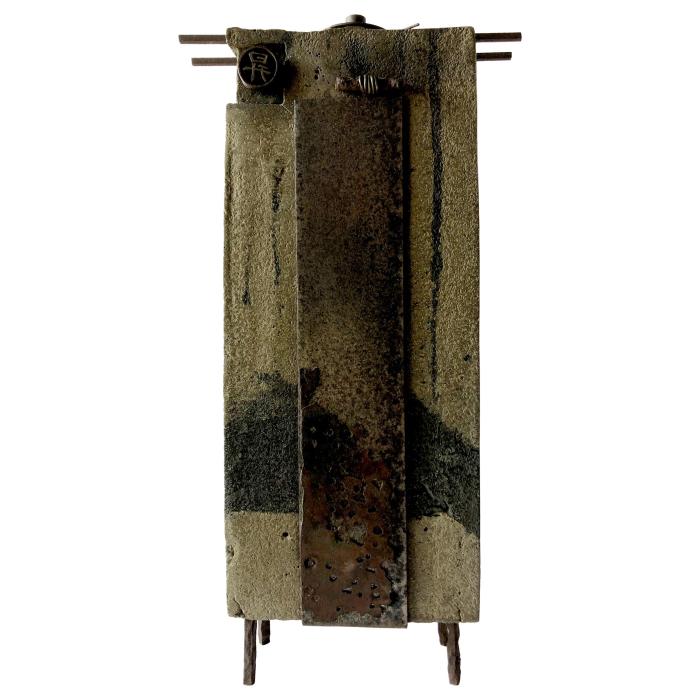
Japanese curling iron holders, imbued with a unique aesthetic, demand compelling visual representations that capture their essence. The visual language employed in marketing and advertising these products must effectively communicate the design’s cultural roots, refined craftsmanship, and subtle elegance. Visuals play a crucial role in conveying the product’s appeal and fostering a connection with the target audience.
Illustration Variations
Visual representations of Japanese curling iron holders can encompass a range of stylistic variations. Illustrations should demonstrate the product’s versatility and appeal across different contexts. For example, showcasing the holder in various color palettes and materials (e.g., sleek black ceramic, subtly patterned wood, or polished metal) allows for a nuanced portrayal of the product’s design flexibility. Representations can also feature the holder in use, demonstrating its functionality and ease of operation.
Imagery in Marketing and Advertising
Imagery used in marketing and advertising Japanese curling iron holders often leans towards a serene and minimalist aesthetic. The use of natural light and soft color palettes is common, evoking a sense of calm and sophistication. Products are frequently depicted against a backdrop of Japanese-inspired imagery, such as cherry blossoms, bamboo forests, or traditional teahouses. This association reinforces the product’s connection to Japanese culture and design principles.
The imagery should also highlight the intricate details of the holder’s design, emphasizing the craftsmanship involved in its creation.
Visual Representation in Different Settings
A holistic approach to visual representation involves showcasing the curling iron holder in diverse settings. Depicting the holder in a modern, minimalist home environment allows consumers to envision its integration into contemporary settings. Conversely, showcasing the holder in a traditional Japanese setting emphasizes its connection to cultural heritage. Further, illustrating the holder in a spa or salon context reinforces its practical application and aspirational qualities.
This multifaceted approach to showcasing the product helps build a broader appeal.
Textures in Images
The use of textures in images is crucial for enhancing the visual appeal and conveying the material’s tactile qualities. For instance, images showcasing a wooden curling iron holder can utilize textures that highlight the grain and warmth of the wood. Similarly, images of ceramic holders can emphasize the smoothness and elegance of the material through subtle textural variations.
Images should effectively translate the material’s tactile qualities to a visual medium. Careful attention to texture will enhance the viewer’s appreciation for the product’s materiality.
Lighting and Composition
Images of Japanese curling iron holders often employ soft, diffused lighting, creating a warm and inviting atmosphere. Lighting should not be harsh or overly dramatic, maintaining a subtle and elegant aesthetic. The composition of the images is vital, strategically positioning the holder to highlight its form and details. The use of negative space can also enhance the product’s visual appeal.
Clean lines, symmetrical compositions, and the careful selection of the background are key elements in creating a visually engaging and sophisticated image. These details will emphasize the product’s aesthetic value.
Image Gallery (Description)
A series of images would ideally be displayed here. The first image could showcase a sleek, black ceramic curling iron holder, bathed in soft, diffused light. The holder’s smooth surface is emphasized by the lighting, highlighting its modern design. The background is a minimalist backdrop of neutral tones. A second image might depict a wooden holder with a natural wood grain, subtly showcasing its warmth and natural beauty.
The holder is positioned in a Japanese-style room, with subtle elements of traditional decor, like bamboo, as background. This conveys a sense of cultural appreciation. A third image could portray the holder in use, perhaps a woman using the curling iron in a salon setting, the image bathed in a gentle, warm light, focusing on the product’s functionality and ease of use.
Retail Presentation
The retail presentation of Japanese curling iron holders with a distinct aesthetic is critical to driving sales and reinforcing brand identity. Successful presentation goes beyond simply placing products on shelves; it requires a carefully curated experience that appeals to the target consumer’s sensibilities. A well-designed retail display should seamlessly integrate the product’s design language with the overall store environment, ultimately creating a compelling reason for customers to choose these items.A thoughtful visual merchandising strategy is paramount in showcasing these curling iron holders effectively.
This strategy must align with the aesthetic, highlighting its key elements, and fostering an immersive shopping experience. The display should communicate the unique qualities of the product while appealing to the target demographic’s desires.
Visual Merchandising Strategy
A robust visual merchandising strategy for Japanese curling iron holders emphasizes the aesthetic’s key elements. This strategy should prioritize visual appeal, highlighting the intricate details and craftsmanship that define the product line. By employing a coherent color palette and carefully chosen background elements, the display will create a strong visual narrative, drawing customers in and encouraging them to engage with the product.
Store Display Examples
Retail displays can be designed in several ways to effectively showcase the aesthetic. A showcase could feature a minimalist, curated arrangement, focusing on the elegant lines and muted colors of the curling iron holders. Alternatively, a more dramatic display could use strategic lighting and textured backgrounds to highlight the sophisticated design and craftsmanship. Imagine a display featuring a single curling iron holder, bathed in warm, ambient light, with a backdrop of delicate Japanese calligraphy.
Another example might include several holders arranged in a subtle pattern, reminiscent of traditional Japanese design motifs, against a muted neutral backdrop.
Lighting and Background Elements
Strategic use of lighting and background elements is crucial in retail displays. Warm, ambient lighting can enhance the colors and textures of the holders, while targeted spotlights can highlight specific details. Natural light, filtered through a translucent screen, can also create a serene and inviting atmosphere. The background should complement the aesthetic, incorporating elements like subtle Japanese-inspired patterns, natural materials like bamboo or wood, or soft, muted color palettes.
Avoid overly bright or distracting lighting. The lighting should be soft and evocative, drawing the eye to the product without overwhelming it.
Shopping Experience
The overall shopping experience is critical. The display should create an environment that evokes a sense of tranquility and sophistication, reflecting the Japanese aesthetic. This could be achieved through the use of calming music, soft lighting, and carefully selected background elements. The display should also be easy to navigate, with clear product labeling and concise information about the features and benefits of the curling iron holders.
The use of interactive elements, such as touch screens or short videos, can further enhance the customer experience.
Display Design Guide
A detailed guide for designing a retail display for Japanese curling iron holders includes the following steps:
- Define the Core Message: Clearly articulate the desired message to be conveyed through the display, ensuring alignment with the overall brand identity and the aesthetic of the product.
- Target Audience Research: Understanding the target demographic is critical in creating a display that resonates with their preferences and needs. Conduct thorough research to identify their interests and values.
- Theme Selection: Select a theme that encapsulates the essence of the Japanese aesthetic. Consider incorporating traditional Japanese motifs, colors, and materials. Examples could be minimalist design, emphasizing elegant lines, or a more dramatic display, focusing on craftsmanship and sophisticated design.
- Space Optimization: Efficiently utilize the available space to create a visually appealing and navigable display. Consider the flow of traffic and ensure easy access to the products.
- Product Placement: Strategically position the curling iron holders to maximize visibility and appeal. Consider using varying heights and angles to showcase different aspects of the product design.
- Color Palette: Use a harmonious color palette that complements the product’s aesthetic. Muted tones, natural colors, and a focus on balance are recommended. Consider the use of complementary colors to enhance the overall visual impact.
- Background Elements: Carefully select background elements that enhance the product’s visual appeal. Consider using subtle patterns, natural materials, or minimalist backgrounds to complement the curling iron holders. The goal is to highlight the product without distracting from it.
- Lighting Strategy: Utilize lighting strategically to highlight the product’s features. Consider using soft, warm lighting to create a welcoming and inviting atmosphere.
- Interactive Elements (Optional): Consider incorporating interactive elements, such as touch screens or short videos, to enhance the customer experience. This can further engage customers and provide valuable information about the product.
Inspiration Sources
Japanese curling iron holders, reflecting a meticulous aesthetic, draw inspiration from a rich tapestry of traditional crafts and contemporary design. The delicate balance between functionality and artistry is key, showcasing a deep understanding of Japanese aesthetics, from the minimalist elegance of Zen gardens to the intricate patterns of traditional textiles. This fusion of ancient traditions and modern sensibilities creates a unique and compelling design language.The aesthetic draws on a long history of Japanese craftsmanship, where attention to detail and the use of natural materials are paramount.
This is evident in the design choices, from the selection of materials to the overall form and function of the product. The curling iron holder embodies the Japanese pursuit of harmony and balance, reflected in its form and its interaction with the surrounding environment.
Traditional Japanese Crafts and Art
Traditional Japanese crafts, such as lacquerware, ceramics, and metalworking, heavily influence the aesthetic. The meticulous detail and use of natural materials in these crafts translate directly to the curling iron holder’s design. The delicate curves and precise lines, reminiscent of traditional Japanese pottery, are frequently employed, emphasizing the craftsmanship involved. The use of natural materials like wood, bamboo, or stone, often polished to a high sheen, adds to the sense of refinement and tranquility.
Historical and Contemporary Japanese Design Inspirations
A variety of historical and contemporary Japanese design trends serve as inspiration. Traditional tea ceremony utensils, with their emphasis on simplicity and elegance, offer a valuable source of inspiration. Contemporary Japanese designers like Issey Miyake and Shiro Kuramata, known for their minimalist aesthetic and innovative use of materials, have also contributed to the design vocabulary.
- Minimalism: The hallmark of many Japanese design philosophies, minimalism emphasizes simplicity and functionality. This is seen in the clean lines and uncluttered forms of the curling iron holder, which prioritizes essential elements without unnecessary ornamentation.
- Natural Materials: Japanese design often incorporates natural materials like wood, bamboo, and stone. These materials bring a sense of warmth, texture, and connection to nature. This emphasis on natural materials is reflected in the curling iron holder’s design.
- Spatial Awareness: Japanese design often emphasizes the importance of space and its arrangement. This is reflected in the design of the curling iron holder, which considers how it will integrate into a user’s home environment and how the surrounding space can be enhanced.
- Ceramics and Lacquerware: The intricate patterns and delicate finishes of Japanese ceramics and lacquerware are frequently adapted. The holders may feature subtle patterns or a smooth, highly polished surface that evoke the artistry of these traditional crafts.
Adaptation and Transformation of Inspirations
Traditional Japanese design principles are adapted and transformed to create a modern curling iron holder. While retaining the essence of the original inspirations, modern materials and manufacturing techniques allow for a greater level of functionality and practicality. The intricate details of traditional crafts are often simplified, while maintaining a sense of sophistication.
Modern Materials and the Aesthetic
Modern materials, such as high-quality plastics and metal alloys, are utilized to reflect the aesthetic while enhancing functionality. These materials allow for greater precision in design and durability, combining traditional Japanese artistry with modern engineering.
Comparison of Inspirations and Their Influence
The inspiration sources for the curling iron holder aesthetic are interwoven and complement each other. The minimalist approach from contemporary design, combined with the rich history of traditional crafts, creates a compelling aesthetic that balances functionality with beauty. The seamless integration of traditional principles with modern materials creates a unique design statement, highlighting the enduring appeal of Japanese design principles in the modern era.
Future Trends
The Japanese curling iron holder aesthetic, deeply rooted in craftsmanship and mindful design, is poised for evolution. Emerging trends in sustainability, technology, and design will shape its future trajectory, promising exciting innovations for both form and function. The incorporation of sustainable and ethical materials, coupled with advancements in production technologies, will likely be key drivers in the next phase of development.The aesthetic will likely continue to be characterized by a harmonious blend of tradition and modernity, reflecting a nuanced understanding of Japanese design principles while embracing global design influences.
Potential Developments in Sustainability and Ethical Materials
The increasing global awareness of environmental concerns will drive a demand for sustainable and ethically sourced materials in the production of curling iron holders. Recycled metals, bamboo, and plant-based plastics are promising alternatives to traditional materials. For example, companies like Patagonia and Muji have successfully integrated recycled materials into their product lines, showcasing the viability of such transitions.
This commitment to sustainability will not only appeal to environmentally conscious consumers but also position brands as socially responsible and innovative.
Impact of Technology on Design and Production
Technological advancements will undoubtedly reshape the design and production of curling iron holders. 3D printing offers the potential for highly customized and intricate designs, allowing for greater personalization and unique aesthetic expressions. Smart technologies, like sensors and embedded heating elements, could be integrated to optimize styling and provide personalized temperature controls. Furthermore, advancements in material science will lead to lighter, more durable, and heat-resistant materials.
This trend is already being observed in other consumer electronics like laptops and smartphones.
Emerging Design Trends Influencing the Aesthetic
The minimalist aesthetic, deeply rooted in Japanese design philosophy, will likely continue to be a dominant influence. However, there might be a subtle shift towards more organic shapes and textures. Incorporating natural elements, such as wood grain patterns or woven fibers, into the design will add a sense of warmth and connection to nature. This trend mirrors the increasing popularity of biophilic design principles in various product categories.
New Color Palettes and Design Elements
The current emphasis on neutral tones will likely persist, with earthy tones like beige, gray, and muted greens remaining popular. However, subtle pops of color, inspired by traditional Japanese patterns or seasonal color palettes, could be introduced. For instance, the incorporation of delicate floral motifs or subtle gradients could elevate the design’s aesthetic appeal. Furthermore, the use of translucent materials could add an intriguing element of depth and sophistication.
The introduction of Japanese calligraphy or traditional symbols could be a potential element to enhance visual appeal and add a cultural layer to the design.
Factors Shaping the Future of the Aesthetic
Consumer preferences, technological advancements, and ethical considerations will shape the evolution of the Japanese curling iron holder aesthetic. A growing emphasis on sustainability and personalized design will drive innovation and encourage brands to develop eco-friendly, user-centric products. The interplay between these factors will create a dynamic and exciting landscape for the future of this aesthetic. Furthermore, global design trends and the ongoing popularity of minimalist aesthetics will continue to inspire new designs and production processes.
Ultimate Conclusion
In conclusion, the Japanese curling iron holder aesthetic transcends mere practicality, embodying a philosophy of understated elegance and meticulous craftsmanship. This exploration reveals how cultural influences and design elements combine to create a unique and compelling aesthetic, offering a glimpse into the enduring appeal of Japanese design principles. The combination of form, function, and cultural heritage makes this aesthetic a compelling study in beauty and utility.
